
How To Compare Nassau Neighborhoods Before Buying A Home
Key Takeaways
- The right Nassau neighborhood depends on whether the home will be a primary residence, second home, rental property, or long-term investment.
- Compare total ownership costs, not simply the asking price, before deciding where to buy.
- Traffic patterns, airport access, schools, shopping, healthcare, beaches, and marina access can shape everyday life on New Providence.
- Foreign purchasers should use qualified Bahamian legal and property professionals to verify title, approvals, taxes, and ownership requirements.
- A consistent scorecard makes it easier to compare beautiful properties with different practical strengths and tradeoffs.
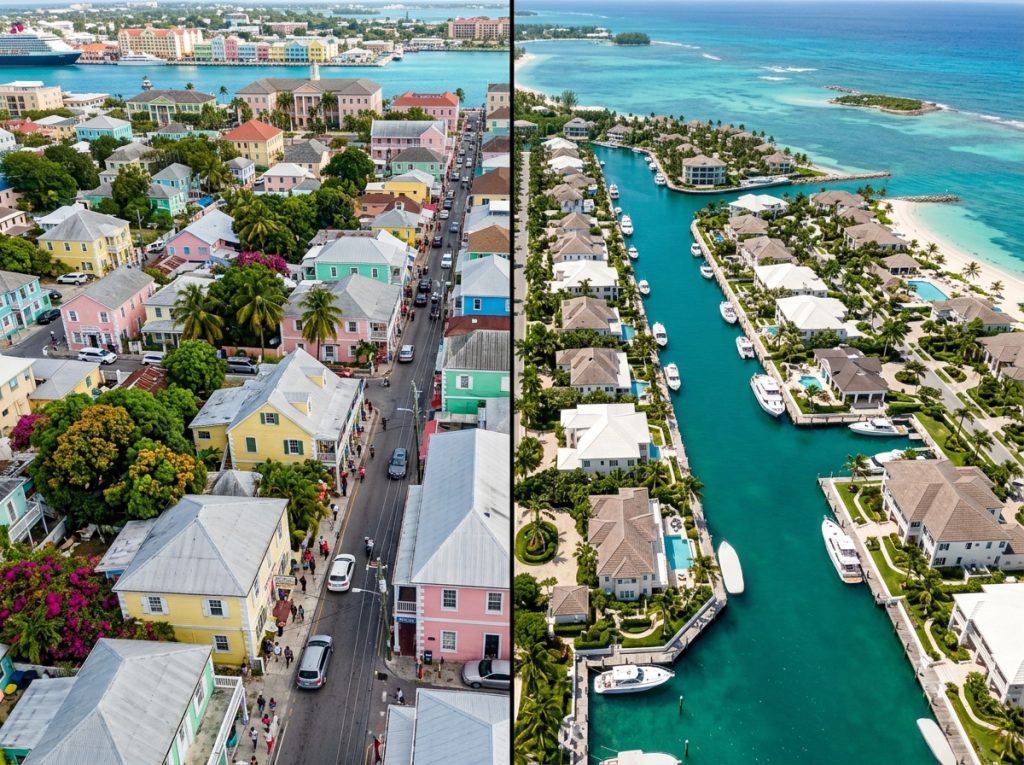
Buying in Nassau is as much a lifestyle decision as a property decision. A waterfront condo near Cable Beach, a family home in central New Providence, and a marina residence in the east can carry very different routines, running costs, and resale audiences, even when their purchase prices appear similar.
For a useful starting point, buyers can browse Homes for Sale in Nassau Bahamas through Bond Bahamas, a Nassau-based brokerage specializing in residential real estate across New Providence. Its Nassau listings cover varied property types and communities, including Cable Beach, Sandyport, Paradise Island, Old Fort Bay, Lyford Cay, and eastern neighborhoods, making it easier to compare active inventory in the areas that fit your plans.
Why Neighborhood Choice Matters in Nassau
Location affects far more than the view from a terrace. It influences how long it takes to reach work, school, grocery stores, restaurants, the airport, beaches, marinas, and essential services. It also affects privacy, building density, maintenance expectations, insurance considerations, and the kind of buyer or renter who may be interested later.
Tourism can be especially relevant when rental use is part of the plan. The Bahamas reported 12.5 million visitors in 2025, while Nassau and Paradise Island remained important destinations for stopover visitors, according to recent tourism data. That does not guarantee rental income for an individual property, but it is a reason to study local demand, guest preferences, and rental restrictions carefully.
Start With the Property’s Main Purpose
Write down the property’s primary job before comparing neighborhoods. This keeps the search focused when a scenic listing begins to outweigh practical needs.
- Primary home: Prioritize daily travel, school options, healthcare access, grocery shopping, dependable utilities, and a layout that works year-round.
- Second home: Consider airport convenience, security, hurricane preparation, property management, and lock-up-and-leave maintenance.
- Vacation rental: Review beach or resort appeal, guest parking, management availability, community rules, and permitted rental use.
- Long-term investment: Compare likely operating expenses, market depth, future competition, resale appeal, and the condition of surrounding infrastructure.
- Residency-related purchase: Confirm current investment and immigration requirements directly with a Bahamian attorney or the appropriate government office before relying on a property’s value or a projected timeline.
Compare Nassau Areas by Lifestyle
Western Nassau
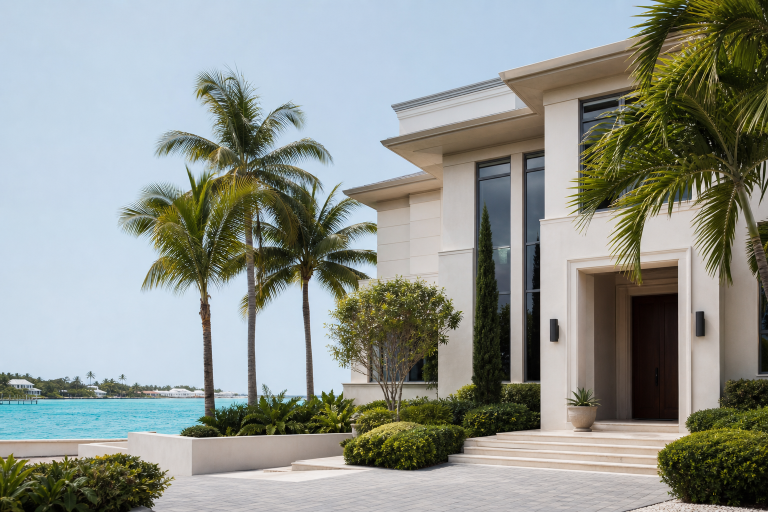
Western areas can appeal to buyers who value proximity to the international airport, beaches, restaurants, resort amenities, and newer condominium developments. Cable Beach, Sandyport, Old Fort Bay, Lyford Cay, and nearby communities offer distinct versions of coastal living. Buyers should balance convenience and amenities against purchase prices, association fees, and the maintenance requirements of waterfront or resort-style homes.
Central Nassau
Central locations can be practical for full-time residents who want shorter trips to downtown, schools, shopping, professional services, and medical appointments. Established gated communities, townhomes, condominiums, and detached homes may offer a stronger day-to-day fit for buyers who prefer fewer cross-island drives. Visit during commuter hours because a route that feels easy on a weekend may feel very different on a school morning.
Eastern New Providence
Eastern communities may suit buyers seeking a more residential setting, access to marinas, or a quieter separation from resort corridors. Compare boating access, security, amenities, and the real travel time to work, school, shopping, and the airport. A longer drive can be worthwhile for a buyer who values water access or privacy, but it should be an intentional tradeoff.
Paradise Island
Paradise Island offers resort-adjacent residences, condominium options, beaches, and strong visitor recognition. It can work well for part-time owners, but buyers should examine association fees, rental policies, renovation rules, building reserves, storm insurance, and whether the environment feels suitable for a typical residential routine.
Build a Nassau Neighborhood Scorecard
Rate each neighborhood from one to five using the same criteria:
- Purchase price, condition, and perceived value
- Travel time to work, school, the airport, and everyday errands
- Beach, marina, dining, shopping, and recreation access
- Healthcare access, security, privacy, and neighborhood activity
- Association fees, maintenance needs, drainage, and storm exposure
- Rental suitability, rental restrictions, and future resale appeal
A scorecard helps keep one standout feature, such as a panoramic ocean view, from obscuring drawbacks that could matter every day or affect the cost of ownership.
Look Beyond the Listing Price
Before making an offer, estimate stamp duty and closing costs, attorney and title-search fees, real property tax, insurance, utilities, backup power, landscaping, pool care, security, association dues, and off-island property management. Tax obligations and exemptions can depend on the property and its use, so review the Department of Inland Revenue’s current real property tax guidance rather than relying on an old estimate.
Check Ownership and Legal Requirements
- Retain a Bahamian attorney to conduct a title review and prepare the conveyance.
- Verify registration, permit, or approval requirements that may apply to the buyer and property.
- Review boundaries, easements, restrictive covenants, liens, outstanding taxes, and community assessments.
- Confirm whether short-term rentals, commercial activity, renovations, or occupancy are restricted.
- Ask how ownership may affect financing, residency plans, insurance, and a future sale.
Test the Neighborhood in Person
Visit more than once. Drive the route during morning and afternoon traffic, return after dark, and test the trip to the airport, grocery store, school, workplace, and medical provider. Ask residents or property managers about water pressure, power interruptions, drainage, security, road conditions, and nearby construction. Check mobile reception and internet service inside the home, not only from the driveway.
Questions to Ask During Viewings
- What are the annual association fees, and what do they cover?
- Has the property experienced storm, roof, or flood damage?
- What insurance is required, and what is currently in place?
- Are there rental, renovation, pet, or occupancy restrictions?
- How old are the roof, air-conditioning, plumbing, and electrical systems?
- Are any taxes, fees, special assessments, or maintenance items outstanding?
Common Mistakes to Avoid
Do not choose solely by the lowest price, assume all coastal homes carry similar insurance costs, or estimate travel times from a map. Avoid relying on listing photos in place of inspections, assuming rental revenue will cover every expense, or accepting outdated advice about taxes, permits, and residency.
Frequently Asked Questions
Which Nassau neighborhood is best for full-time living?
The best fit depends on your work location, school needs, preferred commute, budget, privacy expectations, and the services you use most often.
Are Nassau condos easier to maintain than houses?
They can reduce individual exterior maintenance, but buyers should still review association fees, building rules, insurance arrangements, reserves, and the condition of shared systems.
Can foreign buyers purchase property in Nassau?
Foreign buyers may be able to purchase qualifying residential property, but a Bahamian attorney should confirm current requirements and transaction steps for the specific purchase.
Conclusion
The best Nassau neighborhood is the one that supports the full ownership plan, not simply the first property that makes an impression. Compare lifestyle, location, operating costs, legal due diligence, and future goals with equal care to make a more confident Nassau purchase in 2026.