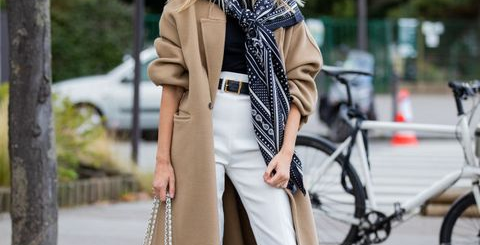
Business Casual Outfits Women Office Fashion Guide
Navigating business casual dress codes can feel confusing for many professional women. The line between too casual and too formal often seems blurry. This comprehensive guide helps you build a versatile business casual wardrobe that looks polished and feels comfortable.
Understanding Business Casual for Women
Business casual sits between formal business attire and everyday casual wear. This dress code allows more flexibility than traditional business formal requirements. However, it still maintains professionalism and respect for workplace standards.
The definition varies across industries and companies. Tech companies typically embrace more relaxed interpretations. Financial institutions and law firms often lean toward the formal end of business casual. Therefore, observing your specific workplace culture provides the best guidance.
Business casual eliminates the need for formal suits daily. Women can skip blazers on most days unless attending important meetings. Additionally, this dress code permits more color and pattern choices than strict business formal attire.
Essential Wardrobe Building Blocks
Creating a functional business casual wardrobe starts with versatile foundation pieces. These items mix and match easily to create numerous outfit combinations.
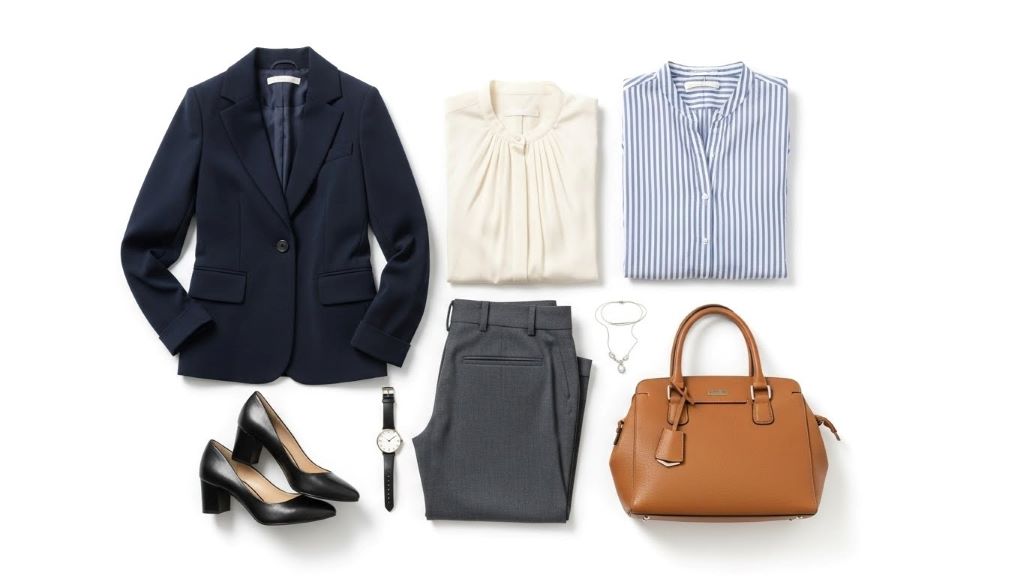
Tailored trousers form the backbone of business casual dressing. Choose neutral colors like black, navy, gray, and beige. Well-fitting pants in quality fabrics look professional and last longer. Aim for at least three pairs in different colors.
Blazers add polish to any outfit instantly. A well-fitted blazer elevates simple combinations into professional ensembles. Start with one neutral blazer in navy or black. Then, add additional colors as your budget allows.
Blouses and button-down shirts provide endless styling options. White and light blue shirts are timeless choices. However, patterns like stripes or subtle prints add variety. Sleeveless blouses work well under blazers for warmer weather.
Skirts offer feminine alternatives to pants. Pencil skirts, A-line styles, and midi lengths all work for business casual. Keep hemlines at or below the knee for appropriate professional appearance. Neutral colors provide maximum versatility.
Dresses simplify getting ready in the morning. Sheath dresses, wrap dresses, and shirt dresses all fit business casual requirements. Choose solid colors or subtle patterns. Avoid anything too fitted, short, or revealing.
Cardigans serve as blazer alternatives for less formal days. They layer easily over blouses and dresses. Neutral cardigans coordinate with multiple outfits. Structured cardigans look more polished than oversized styles.
Appropriate Footwear Choices
Shoes complete your business casual look while ensuring all-day comfort. Professional footwear balances style with practicality for office environments.
Closed-toe pumps remain classic business casual choices. Low to mid-height heels work better than very high heels for daily wear. Neutral colors like black, navy, and nude coordinate with most outfits. Keep heels around two to three inches for comfort.
Loafers and flats provide comfortable alternatives to heels. Leather loafers look polished and professional. Ballet flats work well but choose structured styles over flimsy options. Avoid anything too casual like flip-flops or athletic shoes.
Ankle boots work seasonally for business casual offices. Choose clean, simple designs without excessive embellishments. Low block heels offer stability and comfort. Pair them with trousers or midi skirts for balanced proportions.
According to Forbes, comfortable professional footwear improves workplace productivity and employee satisfaction. Therefore, investing in quality shoes benefits both appearance and wellbeing.
Styling Tips for Different Seasons
Adapting your business casual wardrobe across seasons keeps you comfortable year-round. Strategic layering and fabric choices make seasonal transitions seamless.
Spring calls for lighter fabrics and fresh colors. Pastel blouses pair beautifully with neutral trousers. Lightweight blazers replace heavy winter layers. Open-toe shoes become acceptable in many offices during warmer months.
Summer business casual focuses on breathable fabrics. Cotton, linen, and lightweight blends keep you cool. Sleeveless blouses work well under cardigans or blazers. However, always keep a layer available for cold office air conditioning.
Shift dresses and midi skirts provide comfortable summer options. Choose natural fibers that allow airflow. Light colors reflect heat better than dark ones. Nevertheless, maintain professional hemlines regardless of temperature.
Fall introduces layering opportunities and richer colors. Pair lightweight sweaters with tailored pants. Add scarves for visual interest and warmth. Transition from open-toe to closed-toe shoes as weather cools.
Winter business casual requires strategic layering for warmth. Wear camisoles under blouses for extra insulation. Tights or trouser socks add warmth under skirts and pants. Keep a blazer or cardigan at your desk for temperature control.
Color and Pattern Guidelines
Strategic color choices create cohesive, professional looks. Understanding color coordination simplifies outfit planning and maximizes wardrobe versatility.
Neutral colors form the foundation of business casual wardrobes. Black, navy, gray, white, and beige work for any professional setting. These colors mix effortlessly and create clean, polished appearances. Additionally, neutrals accommodate various personal style preferences.
Accent colors add personality without overwhelming professional presentation. Jewel tones like emerald, sapphire, and burgundy look sophisticated. Pastels soften overall appearance while maintaining professionalism. Choose colors that complement your skin tone and personal preferences.
Patterns require careful consideration in business casual contexts. Subtle stripes, small checks, and minimal prints work well. Avoid large, bold patterns that distract from professional presence. When wearing patterns, keep other pieces solid for balance.
Mixing patterns demands restraint and skill. Combine patterns of different scales successfully. For example, pair pinstripes with small polka dots. However, keep colors coordinated within the same family. Most professionals find solid pieces easier to style confidently.
Accessories That Enhance Professional Image
Thoughtful accessories complete business casual outfits without overpowering them. The right accessories demonstrate attention to detail and personal style.
Jewelry should complement rather than dominate your outfit. Simple stud earrings or small hoops work universally. Delicate necklaces add interest to plain necklines. Avoid large, dangling, or noisy jewelry that distracts during meetings.
Watches serve both functional and style purposes. A classic watch appears professional and timeless. Leather or metal bands suit business casual environments. Smart watches are increasingly acceptable in most offices.
Belts define waistlines and add polish to outfits. Match belt color to shoe color for cohesive looks. Simple leather belts work with most business casual combinations. Avoid oversized buckles or embellished designs.
Bags must balance style with functionality. Structured totes and satchels look professional while carrying necessary items. Choose quality materials that withstand daily use. Neutral colors coordinate with multiple outfits easily.
Scarves add color and sophistication to simple outfits. Silk scarves elevate basic blouse and trouser combinations. Lightweight scarves work year-round in temperature-controlled offices. Learn a few simple tying techniques for variety.
What to Avoid in Business Casual Settings
Understanding boundaries prevents fashion missteps in professional environments. Some items remain too casual regardless of workplace culture.
Jeans require careful consideration in business casual contexts. Many offices prohibit denim entirely. Others allow dark, tailored jeans without distressing or holes. When uncertain, choose trousers instead. Save jeans for designated casual Fridays if your office permits them.
Athleisure wear stays outside business casual boundaries. Leggings, yoga pants, and athletic shoes belong in gyms, not offices. Even stylish athletic-inspired pieces typically appear too casual. Reserve these items for after-work activities.
Revealing clothing undermines professional credibility. Low necklines, short hemlines, and tight-fitting clothes distract from your work. Choose modest cuts that allow comfortable movement. When questioning appropriateness, select something more conservative.
Flip-flops and sandals rarely meet business casual standards. Even in summer, closed-toe shoes appear more professional. Some relaxed offices permit dressy sandals, but this varies widely. Observe senior colleagues’ footwear choices for guidance.
Graphic t-shirts and message clothing seem unprofessional. Even under blazers, casual graphic tees lower your professional image. Choose solid or subtly patterned tops instead. Save statement shirts for weekends and casual outings.
According to The Wall Street Journal, dress code violations can impact career advancement opportunities. Therefore, erring on the side of more professional attire protects your reputation.
Building a Capsule Wardrobe
A capsule wardrobe simplifies daily dressing while maintaining professional standards. This approach focuses on quality pieces that coordinate seamlessly.
Start with fifteen to twenty versatile pieces. Include five bottoms, eight tops, two blazers, two dresses, and appropriate shoes. This foundation creates dozens of outfit combinations. Additionally, fewer clothes reduce decision fatigue each morning.
Choose a cohesive color palette for easy mixing. Select three neutral base colors and two accent colors. Ensure all pieces work together within this palette. This strategy maximizes outfit possibilities from minimal items.
Invest in quality over quantity whenever possible. Well-made pieces last longer and maintain appearance through repeated wear. Quality fabrics resist wrinkles and hold their shape better. Therefore, spending more upfront often saves money long-term.
Rotate seasonal items in and out of your active wardrobe. Store off-season clothes properly to maintain their condition. This practice keeps your closet manageable and organized. Furthermore, seasonal rotation makes getting dressed faster and easier.
Budget-Friendly Shopping Strategies
Building a professional wardrobe need not drain your finances. Strategic shopping stretches your budget while maintaining quality standards.
Shop end-of-season sales for significant savings. Retailers discount current season items dramatically when transitioning inventory. Buy next year’s basics at fraction of original prices. Plan ahead and stock up on staples during major sales events.
Outlet stores offer quality brands at reduced prices. Many professional brands have outlet locations with substantial discounts. However, inspect items carefully for quality before purchasing. Some outlet merchandise differs from mainline products.
Consignment and thrift stores yield surprising professional finds. High-quality business clothing often appears in excellent condition. Designer pieces at thrift prices upgrade your wardrobe affordably. Visit upscale neighborhood shops for best selections.
Mix high and low price points strategically. Splurge on pieces worn frequently like trousers and blazers. Save money on trendy items or pieces worn occasionally. This balanced approach optimizes budget allocation.
Caring for Your Business Wardrobe
Proper garment care extends clothing life and maintains professional appearance. Regular maintenance keeps your wardrobe looking fresh and polished.
Follow care labels precisely for best results. Different fabrics require specific cleaning methods. Dry clean items as recommended rather than risking home washing. Proper care prevents damage and premature wear.
Address stains immediately for easiest removal. Blot rather than rub to prevent spreading. Keep stain removal pens in your desk for quick treatment. Prompt action often prevents permanent staining.
Store clothes properly to maintain their shape. Use quality hangers for blazers and dresses. Fold knits to prevent stretching. Store shoes with shoe trees to preserve their form.
Rotate clothing regularly to distribute wear evenly. Avoid wearing the same pieces consecutive days. This practice allows fabrics to recover and extends garment life. Additionally, rotation prevents outfit monotony.
Press or steam clothes before wearing for polished appearance. Wrinkled clothing looks sloppy regardless of quality. Keep a steamer handy for quick touch-ups. Invest time in preparation for professional presentation.
Adapting Business Casual for Remote Work
Hybrid work schedules require flexible wardrobe planning. Dressing professionally at home maintains productivity while allowing comfort.
Video meetings demand polished appearance from waist up. Wear professional tops even with comfortable bottoms. Good lighting and camera positioning matter as much as clothing. Keep a blazer nearby for unexpected video calls.
Comfortable yet professional pieces work best for home offices. Knit blazers and stretch fabrics allow movement while looking polished. Choose wrinkle-resistant materials that maintain appearance all day. Comfort enhances focus during long work sessions.
Maintain routines that separate work from personal time. Changing into work clothes signals beginning of workday. Similarly, changing back marks day’s end. These rituals support work-life balance even at home.
Conclusion
Mastering business casual dressing empowers professional women to present confidently in any workplace setting. Building a wardrobe foundation of versatile pieces in neutral colors creates endless outfit possibilities. Understanding appropriate footwear, accessories, and seasonal adaptations ensures year-round professional appearance. Avoiding common pitfalls like overly casual items or revealing clothing protects your professional reputation. Strategic shopping and proper garment care make business casual dressing both affordable and sustainable. Remember that specific dress codes vary by industry and company culture, so observing your workplace norms provides the best guidance. With these principles and practical tips, you can create a business casual wardrobe that expresses personal style while maintaining professionalism and comfort throughout your workday.
Frequently Asked Questions
What exactly counts as business casual for women?
Business casual for women includes tailored trousers, skirts at or below the knee, blouses, button-down shirts, blazers, cardigans, and closed-toe shoes. Dresses in conservative styles also work well. The look balances professionalism with more relaxed elements than formal business attire requires.
Can I wear jeans to a business casual office?
Jeans acceptability varies significantly by workplace. Many business casual offices prohibit jeans entirely. Others allow dark, tailored jeans without distressing on casual Fridays. Observe senior colleagues and ask human resources about specific policies before wearing jeans to your office.
Are open-toe shoes appropriate for business casual?
Open-toe shoes acceptability depends on your specific workplace culture and season. Conservative offices typically prefer closed-toe shoes year-round. More relaxed environments may permit dressy sandals in summer. When uncertain, closed-toe pumps or flats remain the safest professional choice.
How many business casual outfits do I need?
A functional business casual wardrobe includes fifteen to twenty core pieces creating numerous combinations. Aim for at least five bottoms, eight tops, two blazers or cardigans, and two dresses. This foundation provides two weeks of different outfits with strategic mixing and matching.
What should I avoid wearing in business casual settings?
Avoid athletic wear, flip-flops, revealing clothing, graphic t-shirts, ripped jeans, and anything too tight or short. Also skip overly casual items like sweatshirts and sneakers. When questioning appropriateness, choose more conservative options that maintain professional appearance and workplace respect.
Related Topics: